Why it's important
There has been a move from protecting natural spaces simply for recreation and now more spaces are being protected simply for conservation reasons; the initial movement was to create natural spaces for us to enjoy, now nations are attempting to create these places for nature to enjoy. There are three primary reasons for protecting natural spaces: To allow people to experience the natural world in an untouched way and develop an appreciation for it; To preserve a healthy natural world within those spaces, protecting them from much human influences; And to generate income from the protected spaces to make up for the income lost by not developing the land.
Most extinction is being caused by habitat loss or destruction
The first reason for protecting natural spaces, for our own direct benefit, was the original intent of many older parks. While it has taken a back seat to some of the other reasons lately, it is still very important. It is difficult to really want to work at saving something unless you value it and often the best way to grow to appreciate nature is to experience it first hand and realize that it is in danger. There are also definite
health and
wellness benefits of experiencing natural spaces.
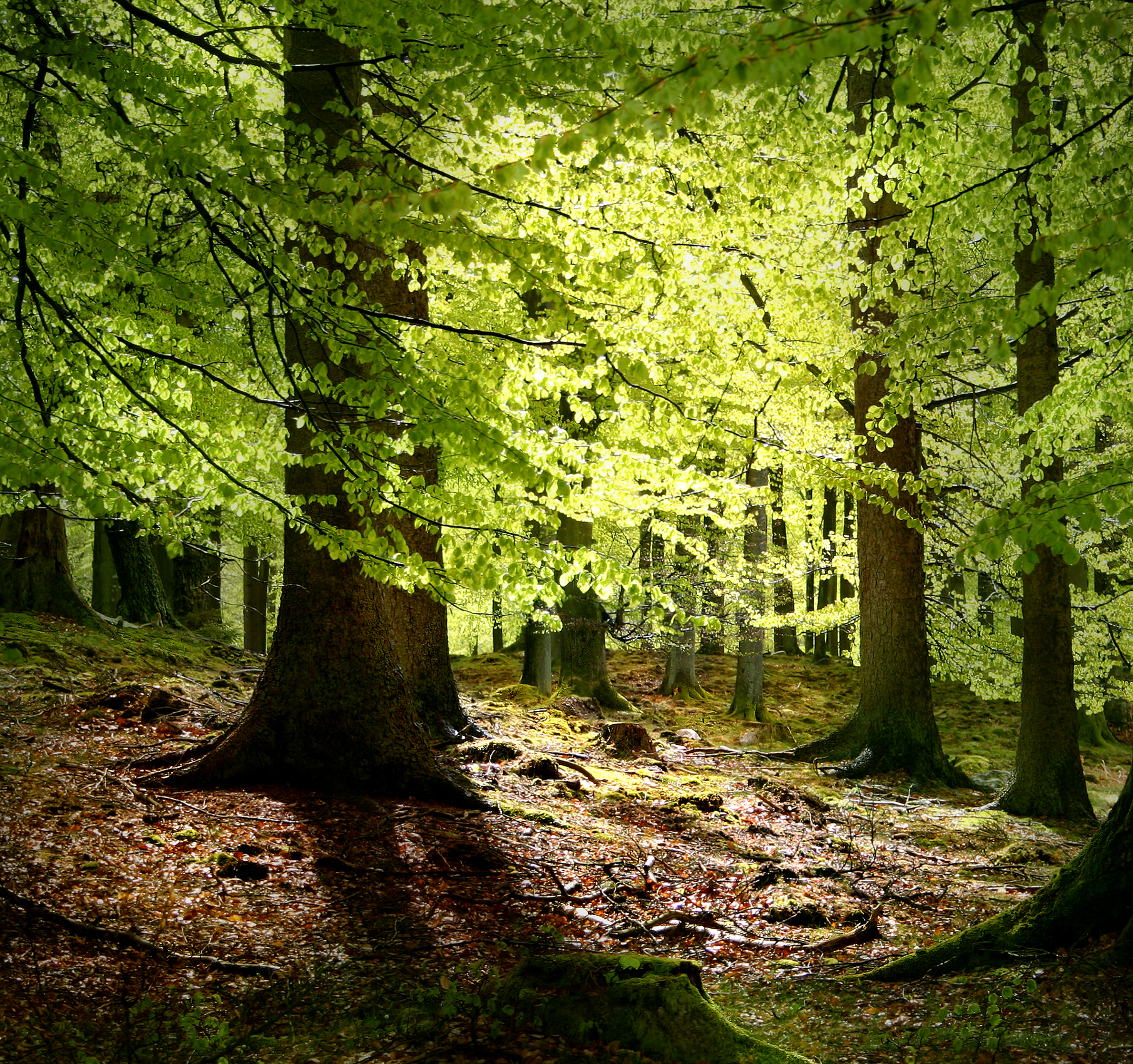
Every natural space is filled with living things that we depend on. We have a vested interest in the health of the natural world.
Credit: Wikimedia Commons
The second reason for protecting natural spaces, in order to preserve the wildlife in the area, has been the focus of most recent conservation efforts. This is based on the recognition that we as people tend to destroy natural spaces that we inhabit and that there are some very important natural spaces and very important plants, animals, and other living things inhabiting those spaces that we don't want to lose. The most effective way to help save any natural space or living thing within it is to simply not touch it and let nature run its course. In a world where
most extinction is being caused by habitat loss or destruction, this is a very compelling reason to protect natural spaces. Of all the threatened species recognized by the IUCN,
85% list damaged or lost habitat as a primary cause.
Finally, we need to be protecting spaces in a way that creates income for the local landowners to prevent the incentive to develop the land. Fortunately, there is a lot of evidence pointing towards specific economic benefits of protecting natural spaces. Not only do natural spaces allow nature to continue providing it's services such as recycling and purifying air, water, and soil, but it also has more direct effects. For example, ecotourism is a
$500 billion per year industry. There are also positive impacts on quality of life that directly translate into
more business and increased property values. Finally there is the income that can be generated from
renewable products provided by protected spaces. For example, a sustainably harvested forest can serve as a long-term income source for a community rather than a one-time burst of money from selling the space.
Forest Reserach Commission - Health Benefits of TreesOverview of UK Government research on the health and wellness benefits of natural spaces.
Click now to view Treehugger - Cognitive Benefits of TreesArticle on research showing that being exposed to or immersed in urban environments damages cognitive abilities.
Click now to view WWF International FAQTop 5 environmental questions the World Wildlife Federation is asked.
Click now to view WWF International FAQTop 5 environmental questions the World Wildlife Federation is asked.
Click now to view United Nations Development Program - BiodiversityUN article on the importance of biodiversity
Click now to view Economic Benefits of Open Space in UtahReport on the economic benefits of open space in Utah.
Click now to view Benefits of Open SpaceReport on the economic benefits of open spaces.
Click now to view
 Tomo Says:Badges
 are cool. You can earn them for doing good stuff in the world!

 Get the Facts
 Do Your Part
 Transportation
 Making Energy
 Using Energy
 Basic Needs
 Nature
 Climate Change


 Support SixLinks