Where we are
In the US, we currently use an average of about
935 kWh of electricity a month per household. About
68% of that is used by the things plugged into our outlets, and about 10-15% of that, 5-10% of the total, is consumed by parasitic loads of devices in stand-by. Currently, we only get told how much energy we are consuming once a month, in the form of an energy bill, that just lists the number of kWh (kilowatt-hours) used. This is not put in context at all, unfortunately, which makes it hard to act on. In fact, it doesn't even necessarily tell you what a kilowatt-hour is. A watt is the amount of energy used by a device for a certain amount of time, such as a 100 watt bulb. A kilowatt is 1000 watts. A kilowatt-hour is 1000 watts on for one hour. A 100 watt bulb, on for 10 hours, would consume 1 kWh. We use 935 of those a month, on average. Up to about 90 of those a month are on devices that we aren't actually intending to use.
We only get told how much energy we are consuming once a month
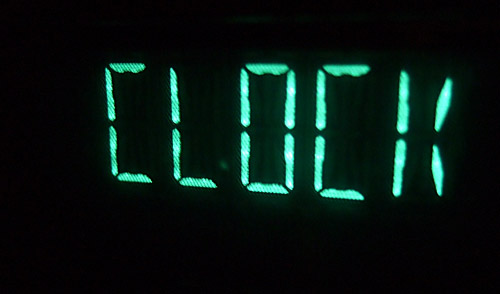
Digital clocks on microwaves, DVD players, coffee makers, and other devices can consume a lot of energy if left on.
Credit: Flickr
A chart of common device parasitic draws can be found
here. This is a good place to learn what your devices that you think are off are actually consuming 24 hours a day. You could always try to find this out yourself to get better numbers (find out how in the
How We Get There section), or you could just turn everything off and use power strips to make sure you aren't consuming any extra power.
All together, just residential buildings account for
13% of CO2 emissions in the world, currently. In the US, this number is
closer to 17%. This means that total residential electrical usage makes up almost 4% of global CO
2 emissions. This may not seem like a lot, but it is likely to increase in the future unless we do something. Reducing this is not hard and it would be a step in the right direction, it'll save money, and all we have to do is be a bit more diligent in our energy usage.
EIA - Electicity usage year end review 2007Year end review of electricity usage in 2007.
Click now to view EIA - Electricity by end useElectricity usage in American homes by category of appliance.
Click now to view World Resources Institute - Global GHG FlowchartFlowchart showing source, end use, and type of greenhouse gas emissions worldwide.
Click now to view US EIA Emissions FlowchartGraphical representation of the greenhouse gas emissions in the US in 2007 via different sectors and sources.
Click now to view
 Tomo Says:
Find a bug? You should
report it to the guys. I like bugs. I can watch 'em for
hours!

 Get the Facts
 Do Your Part
 Transportation
 Making Energy
 Using Energy
 Basic Needs
 Nature
 Climate Change


 Support SixLinks