Where we've been
In the past, we have lived in a world with cheap and abundant energy, which has made the amount of money you'd need to put into saving energy not worth it. That has changed with increasing energy bills, decreasing costs of efficiency, and a new awareness of reducing unnecessary costs. A major part of where we're trying to get means reversing the trends from the last few decades and getting back to the way things were up through the early 20th century. We're not talking about returning to life with kerosene lanterns and horses as the primary mode of transportation, but simply getting back to the point where durable, quality products were valued over cheap disposable ones.
We're not talking about returning to life with kerosene lanterns and horses
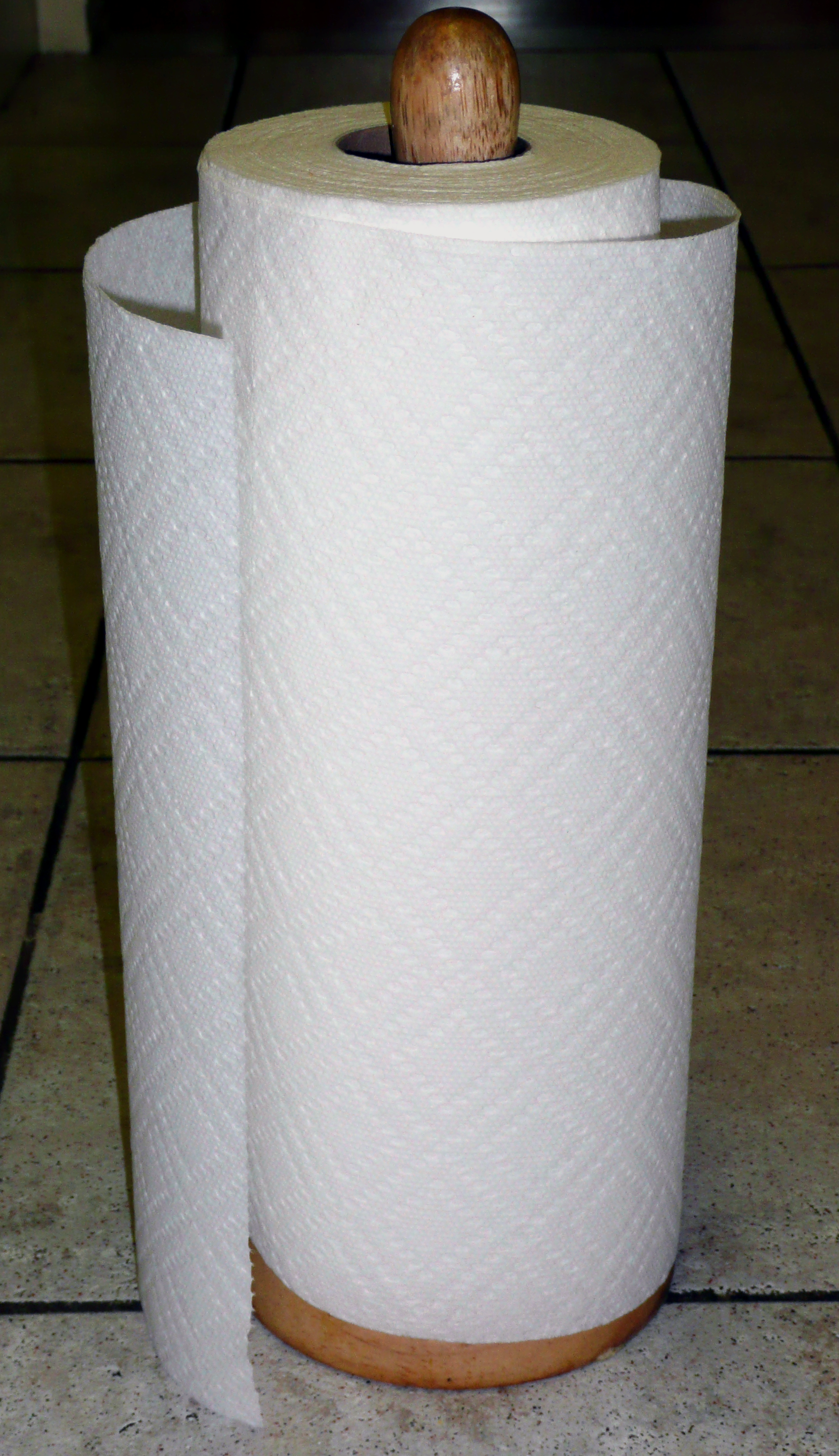
There is no reason to spend money on a fresh, bleached, paper product, use it once, then send it to the landfill. We used to be much better at reusing materials.
Credit: Wikimedia Commons
As
income has increased, we have moved towards disposing of more and more goods. This has led to America being called "The Throw-away Society", although the term would fit many European countries as well. There are a number of theories as to why this has occurred in recent decades. One theory is that as products become more specialized and proprietary, they become more difficult to repair without parts from the original manufacturer.
Some claim that as a result of trying to jump start the economy after World War II, products were built to be more disposable to keep demand high. There are others that point out that increases in income make the time that would be put into repairing something
more valuable.
Whatever the reason, it means that we have been spending a lot of money on disposable products that we have to rebuy for every use, costing us money and natural resources. Changing this behavior, as well as the wasteful mindset we use with regards to electricity, water, gasoline, and other natural resources, will not only benefit the environment, but can save us all a lot of money.
Even more: News and
the FAQ International Journal of Consumer Studies - Income and Disposable ProductsEffects of income on the rise of disposable materials.
Click now to view International Journal of Consumer Studies - Income and Disposable ProductsEffects of income on the rise of disposable materials.
Click now to view

 Get the Facts
 Do Your Part
 Transportation
 Making Energy
 Using Energy
 Basic Needs
 Nature
 Climate Change


 Support SixLinks