How we get there
Repairing natural spaces involves the three main points that we have discussed throughout this section: make the space hospitable, replant and restore habitats, and reintroduce wildlife. And, of course, protect the spaces when we're done. This page will go through each of these steps.
Reintroducing species is the most controversial of the strategies for repairing damage
Remediation
Remediation refers to the process of fixing up a natural space that has become so polluted that not much can successfully live in it. This often refers to cleaning up toxins from soil and water, but can refer to this whole process of reclaiming damaged ecosystems. Remediating soil and water sources usually involves putting some chemical in the ground or water and hoping that it reacts with the damaging toxin to make it less toxic. A different approach is something called bioremediation. This involves using the natural processes of living things to neutralize toxic chemicals. This usually means releasing highly specialized plants, fungi, bacteria, or other microorganisms to clean up our messes. It essentially relies on speeding up processes that would take a really long time to occur naturally, if they ever would, by putting the species that are capable of taking care of the toxin in contact with it in favorable conditions. It can be expensive and not always terribly easy to control, but is many times the best means of removing toxins from the soil.
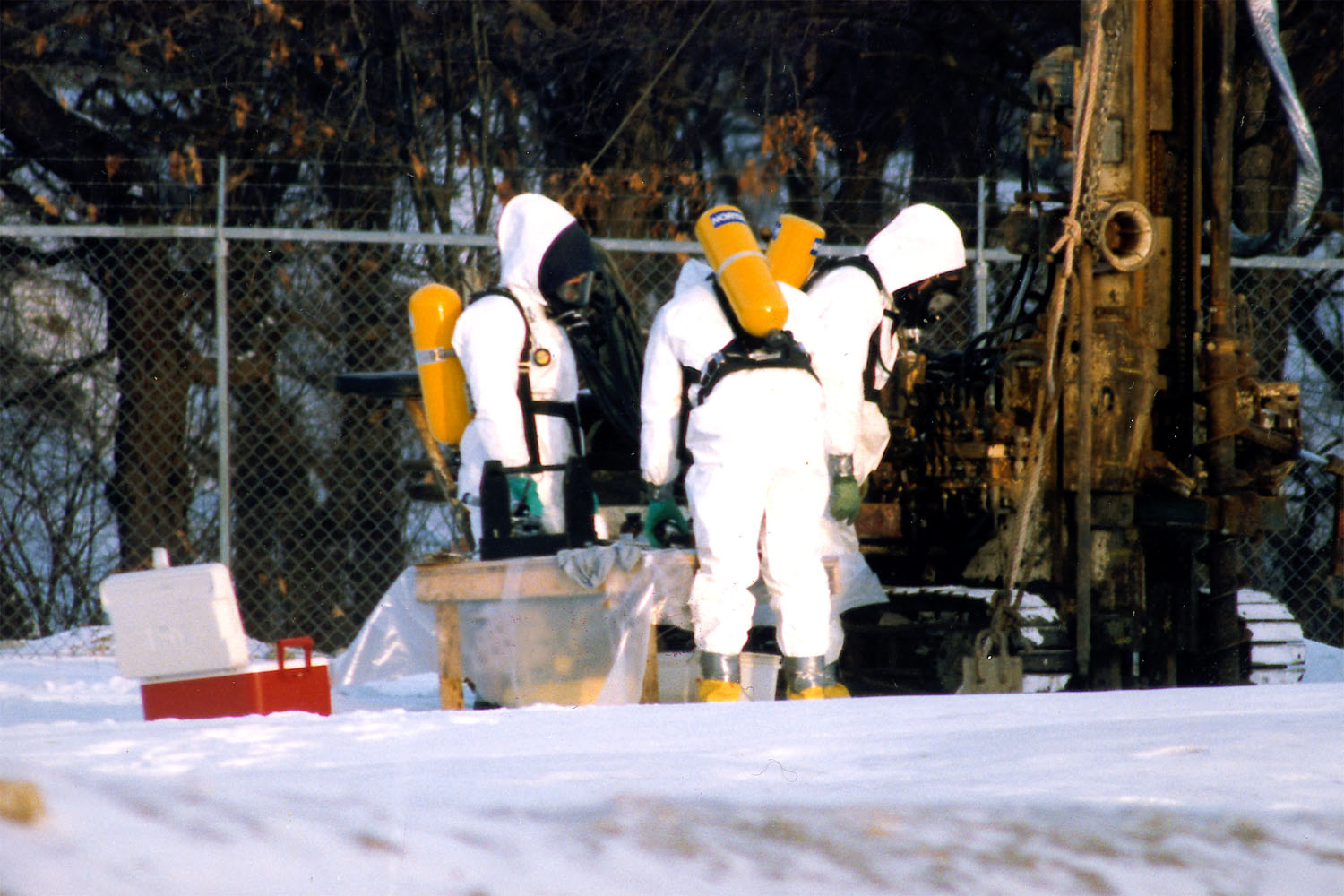
Remediating natural spaces to a healthy condition is the first step of repairing damage we have done to the natural world.
Credit: Wikimedia CommonsReplanting and Habitat Restoration
Once an area is rid of toxins that make it inhospitable to many plants and animals, it is time for habitat restoration. This includes reforesting areas that have been clear cut, trying to reestablish coral reefs, and any other efforts to try to regrow the basic habitats that have been destroyed. This process is made simpler if we had a good idea of what the habitat was like before we destroyed it. It can also be made easier if we have access to the diverse plants that had existed there, either living or in seed form. This is a potential use of seed banks discussed in the
Protect Plants section or other similar means of storing the genetic diversity of plants.
Reintroduction
Reintroducing species is the most controversial of the strategies for repairing damage because it is the most drastic measure we can take, but it is sometimes appropriate. In fact, sometimes it is the only way to get an animal back into the wild if it had its entire habitat destroyed and only existed in captivity.
There are a number of problems with reintroductions, and so they should not be seen as the long term solution to the endangered species problem, just an occasional tool for repairing damage we have created. First off, they are much more expensive than conserving habitat and the habitat must be saved any way for reintroduction to be successful. There is also the concern that only large, charismatic animals tend to be reintroduced, so reptiles, amphibians, and invertebrates get much less attention. There is also the difficulty of replicating natural conditions for successful captive breeding programs and also ensuring that reintroduced individuals will be competitive in the wild. There are also concerns of creating unintended consequences by disturbing food webs.
Despite these concerns, there are times when reintroductions are an important tool. In order to have a
successful reintroduction, we must have a strong population of individuals to pull from, limited contact from humans, training in how to survive in the wild, and education of the surrounding inhabitants of the space about the species being reintroduced.
University of Michigan - Captive Breeding and ReintroductionsBackground information on captive breeding and species reintroductions
Click now to view
 Tomo Says:The guys
 drink coffee and work all day, but I think chasing birds is much more fun.

 Get the Facts
 Do Your Part
 Transportation
 Making Energy
 Using Energy
 Basic Needs
 Nature
 Climate Change


 Support SixLinks