Where we are
Each of the technologies on the
What It Is page are in a state that makes them not yet a major part of our clean energy portfolio. The reasons for this are different for each of these technologies, so we will go through each of them separately.
Biomass is currently under a lot of pressure for contributing to climate change
Tidal and Wave Power
There are only a few tidal and wave power systems that have been installed around the world, and many governments are hesitant to give out permits for new systems for a few reasons. The oldest type of tidal power relies on essentially making dams that hold water at high tide levels until the rest of the water level is low enough that you can make power just like you would in a hydroelectric dam. This process can do a lot of damage to coastal ecosystems. Other ideas involve taking advantage of the currents by having wind turbines under water or wave power, which involves laying something on top of the water and harnessing the energy from waves moving it. Both of these are new enough ideas that there are not many major commercial-scale implementations yet.
Geothermal
Large scale geothermal is very popular in some areas of the world, but virtually unheard of in others. Iceland gets
99% of its electricity from a combination of hydroelectric and geothermal sources, for example. Currently, geothermal accounts for about
0.3% of all electricity produced. So far, it has been popular in areas on the edges of tectonic plates, where there is a lot of geological activity, creating a lot of heat. There has recently been research into plants that can use
significantly lower temperatures, however, possibly extending the range where geothermal could be useful.
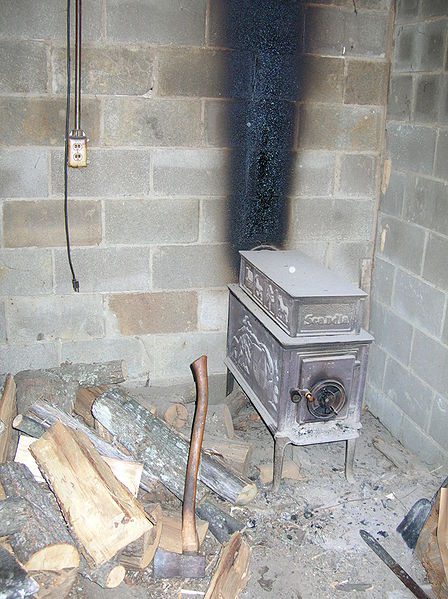
Wood burning stoves of all shapes and sizes are common consumers of biomass energy. They are used around the world for heating and cooking.
Credit: Wikimedia CommonsBiomass
Biomass is currently being used in the form of ethanol and biodiesel as well as by many all over the world for heating and cooking. Biomass is currently under a lot of pressure for contributing to climate change. If done sustainably, biomass is carbon neutral in the long run because the carbon you are burning is a part of the terrestrial carbon cycle. When you grow new plants in the place of old ones, they take up that carbon. The problem is that when more biomass is used than is produced (deforestation) or if biomass is planted in a way that releases carbon stored in soil, it can lead to climate change. This is an issue intimately tied with that of land use changes.
Clean Coal
There are some coal and other fossil fuel plants looking to capture the carbon they produce, but they are only getting, at the absolute best,
80-90%. They also require about a
third more energy than they would otherwise and
cost up to nearly twice as much as regular coal power plants. They also still involve mining a resource, which in itself causes a lot of environmental damage and also subjects many workers to some very bad health effects. There has been a good amount of research into where to store this carbon once it is captured, however, which is useful for
Pulling Carbon Out of the Air, once we figure out how to do that.
Renewable Energy World - GeothermalImpact of Iceland's geothermal electricity source on its economy.
Click now to view Wikipedia - Geothermal ElectricityWikipedia article on geothermal electricity.
Click now to view Wikipedia - Geothermal ElectricityWikipedia article on geothermal electricity.
Click now to view IPCC special report on Carbon Dioxide Capture and StoragePDF of a report by special working group on the potential of carbon capture and storage (aka clean coal) systems for reducing carbon emissions.
Click now to view IPCC special report on Carbon Dioxide Capture and StoragePDF of a report by special working group on the potential of carbon capture and storage (aka clean coal) systems for reducing carbon emissions.
Click now to view IPCC special report on Carbon Dioxide Capture and StoragePDF of a report by special working group on the potential of carbon capture and storage (aka clean coal) systems for reducing carbon emissions.
Click now to view
 Tomo Says:
Little known fact: I can produce more hair than several small countries
combined.

 Get the Facts
 Do Your Part
 Transportation
 Making Energy
 Using Energy
 Basic Needs
 Nature
 Climate Change


 Support SixLinks