Where we need to be
The first thing to keep in mind about biodiesel is that its future should be limited only to places where diesel could not be replaced. Hopefully, we will see biodiesel reach a much larger percentage of the total diesel fuel used, but we will also hopefully see the total amount of diesel used decrease. To help this, we will need to see an increased willingness by diesel engine manufacturers to rate their engines as being tolerant of higher biodiesel blends, more production of the fuel, and better distribution of biodiesel. Many of the disadvantages of the current biodiesel fuel will need to be addressed and a proper distribution network will also need to be installed before it reaches wide-scale acceptance.
Specially bred mustard varieties can produce high oil yields
More than half of the biodiesel industry can use any fat or oil feedstock, including recycled cooking grease. The other half is limited to vegetable oils, often soy oil. There is enough soy oil, recycled restaurant grease, and other feedstocks to replace
5% of the diesel used in the US, which would be about 1.7 billion gallons per year. This is a good start, but we will need to find new methods of producing biodiesel to raise this potential capacity. Check out some of the future research going on below to learn where new sources of biodiesel may come from.
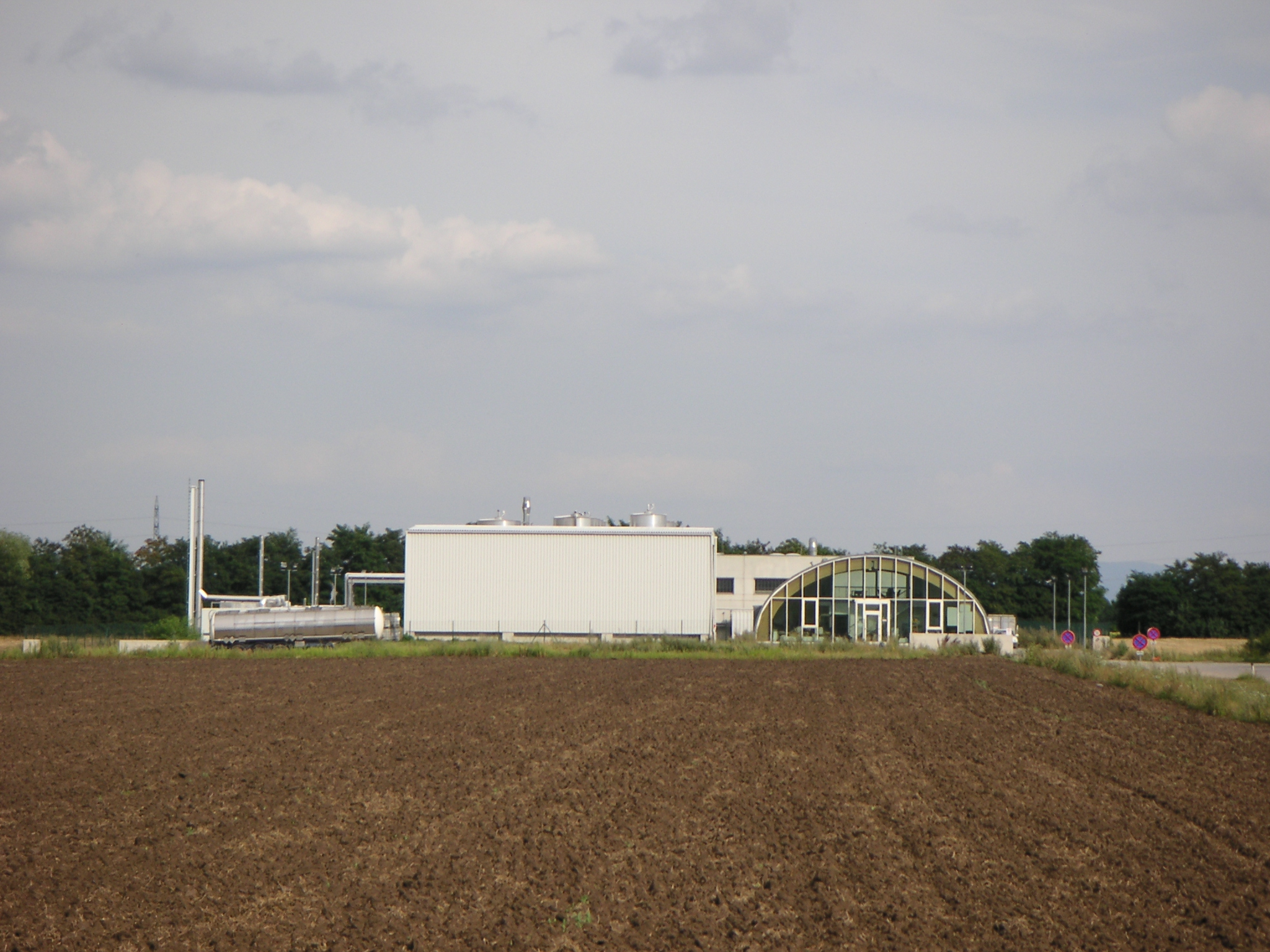
We need to be producing enough biodiesel to displace a lot of petroleum diesel fuel, and that biodiesel must come from sources that does not take up valuable farm land.
Credit: Wikimedia Commons Future Research
There are also a number of new biodiesel sources being researched that will help combat the disadvantages with current biodiesel production methods. It is possible that any of these technologies could be the biodiesel of the future.
Mustard
Specially bred mustard varieties can produce high oil yields and are also useful in crop rotation with cereals. In addition, the meal leftover after the oil has been pressed out can act as an effective and biodegradable pesticide.
Algae
From 1978 to 1996, the US National Renewable Energy Laboratory experimented with using algae for biodiesel in the "Aquatic Species Program". The
advantages with algae are that there are some species that contain over 50% oil and they can be grown on ponds at wastewater treatment plants, eliminating food vs. fuel concerns. There are a number of companies currently working towards producing biodiesel from algae on a commercial level.
Bacteria
The US Army is using 7 test sites to try to
turn biodegradable waste into diesel fuel via bacteria.
Fungus
In September 2008, a group at the Russian Academy of Sciences in Moscow published a paper stating that they could isolate large amounts of lipids from a single-celled fungi,
C. japonica, and others to
produce biodiesel. There has been a recent discovery of a variant of the fungus
Gliocladium roseum that
produces myco-diesel from cellulose. It has the ability to turn cellulose into medium length hydrocarbons typically found in diesel fuel.
DOE - BiodieselDOE EERE Alternative Fuels and Advanced Vehicles information on biodiesel
Click now to view
 Tomo Says:
Find a bug? You should
report it to the guys. I like bugs. I can watch 'em for
hours!

 Get the Facts
 Do Your Part
 Transportation
 Making Energy
 Using Energy
 Basic Needs
 Nature
 Climate Change


 Support SixLinks