Why it's important
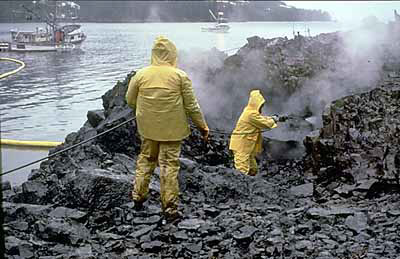
There are times when we cause so much damage to a natural space that nature is not going to be able to repair it in any sort of time we are concerned with. There are cases where we pollute or damage a natural space without realizing how damaging our actions are. There are also times where we cause so much damage so fast we don't realize what we are doing. And then there are times when damage is done because making money in the short term is seen as more valuable than preserving a resource for long term usage.
We have a moral obligation to try to fix the damage we have caused
When we've caused significant damage of a natural space, whether through polluting the water and soil, or destroying a habitat, or eliminating plant or animal species, we have a moral obligation to try to fix the damage we have caused. No one likes to see natural spaces lost or species go extinct, so repairing the damage we've done is a part of preserving nature despite the neglect we show it at times.
Repairing damage we cause to natural spaces often makes monetary sense as well. We depend on natural resources for our food, medicine, and basic materials. The Earth provides up to an estimated
$33 trillion in services to us every single year. There are a number of specific examples where damage we are causing to the Earth is eliminating specific people's livelihoods. For example, the Chesapeake Bay is being so polluted and overfished that stocks of Blue Crab, a key product of the area and source of income for many, are at
1/3 the population they were less than 2 decades ago. Another example is coral reef bleaching from
Climate Change could displace up to a hundred thousand people who rely on the fish found in coral reefs for their food and could seriously damage a
$3 billion a year industryHow Stuff Works - BiodiversityOverview of the importance of biodiversity
Click now to view Newser - Blue CrabArticle on the declining stocks of blue crab in the Chesapeake Bay.
Click now to view TIME - Climate change and coral reef destructionTIME Magazine article about the effect of climate change on coral reefs in Southeast Asia and the effect it is having on the inhabitants and economy.
Click now to view
 Tomo Says:
Dog-park days are the best days ever.

 Get the Facts
 Do Your Part
 Transportation
 Making Energy
 Using Energy
 Basic Needs
 Nature
 Climate Change


 Support SixLinks