Where we are
Currently, approximately
a quarter of plant species are threatened due to one or more factors, although this is a guess because we don't know very much about the plants that exist, endangered or not. Among the reasons why plants become endangered are unsustainable harvesting, destruction of the spaces in which they grow (also known as land use change), invasive species, and changing weather patterns and new pests as a result of climate change. Some of these problems are getting better with increased awareness, but others still need a lot more effort put into them.
Endangered species laws tend to favor protecting animals over plants
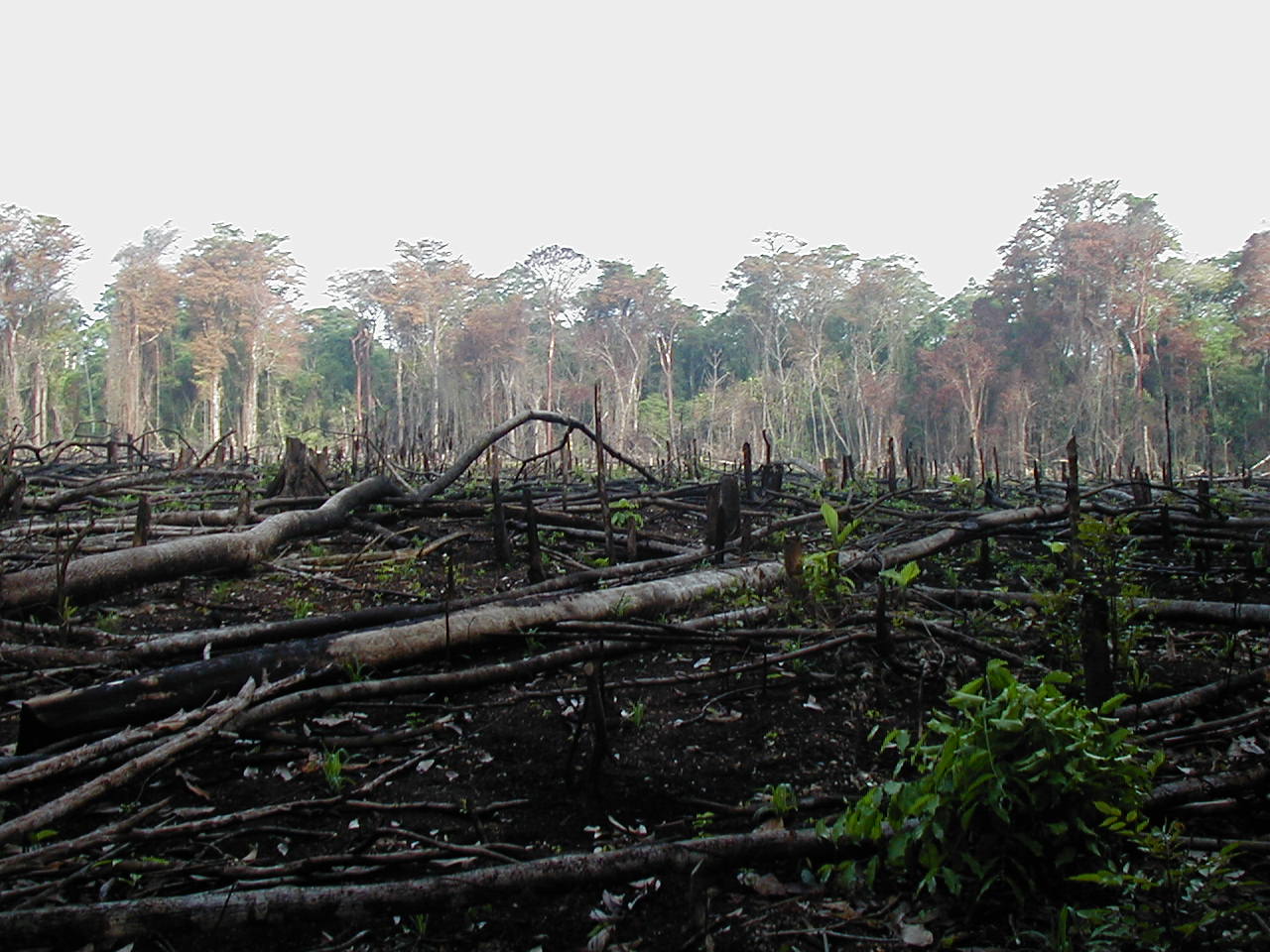
Probably the biggest problems currently facing plants all over the world is that of unsustainable harvesting and land use change. Unsustainable harvesting refers to taking valuable resources from plants faster than they can be replenished by the plant. This can often lead to the second problem, which is land use change. Land use change occurs when natural areas are destroyed to take up some more valuable enterprise. Deforestation is often a result of this. Forests and natural plants are destroyed in order to plant more valuable plants or to clear space for raising livestock. Attempts to address both of these issues currently lie with trying to
Protect Natural Spaces by either keeping spaces off limits or trying to ensure sustainable harvesting of resources.
Another major problem facing plants is competition from invasive plant species. Invasive plants are plants that do not naturally grow in an area, but that once planted, out compete the natural plants. This is becoming a major problem as people bring fast growing plants from other areas of the world and plant them with native species.
Finally, climate change is introducing new pests and new weather conditions to plants that have evolved over very long periods of time to adjust to native pests and climate.
Our biggest tools in protecting plants currently are by
Protecting Natural Spaces, or by protecting plants through Endangered Species Laws. However, currently, endangered species laws tend to favor protecting animals over plants, even though animals will ultimately need to rely on plants for their survival. For example, in the United States, plants represent over 50% of the species listed on the Federal Endangered Species Act, but receive
less than 2% of the funding.
Botanical Gardens Conservation InternationalPlant species numbers from BGCI.
Click now to view All Academic - Plants and the ESAReview of the state of plants within the United States Federal Endangered Species Act.
Click now to view
 Tomo Says:
Did you know that you can make a quick post using the

icon up in the top bar? Try it out!

 Get the Facts
 Do Your Part
 Transportation
 Making Energy
 Using Energy
 Basic Needs
 Nature
 Climate Change


 Support SixLinks